Constipation isn't the side effect people bring up first, but it's in every one of these medicines' labels. Here's how common it was in the trials, what the labels do and don't say about why, the foods and habits that can help, and the signs that mean it's time to call.
1.How common is constipation on a GLP-1?
| Medicine (dose) | Placebo | Medicine |
|---|---|---|
| Wegovy shot (2.4 mg) | 11% | 24% |
| Zepbound (5, 10, 15 mg) | 5% | 17%, 14%, 11% |
| Ozempic (0.5 mg, 1 mg) | 1.5% | 5%, 3.1% |
The Ozempic numbers come from trials in people with type 2 diabetes. Each label says rates from different trials can't be compared directly, because the trials were run in different people under different conditions. So compare each row with its own placebo, not with the other rows. Sources: Wegovy, Zepbound and Ozempic labels, section 6.1.
2.Why does it happen?
Start with how the gut works. Food moves through it by peristalsis: the muscle behind the food squeezes and pushes it forward, a little like a wave. At the end of the line, your large intestine absorbs water, and what's left of digestion becomes stool (NIDDK).
Here's what the labels say about the medicines. They delay gastric emptying, which means food leaves the stomach more slowly (Wegovy label, section 12.2). And they list constipation as a common side effect. They don't describe what the medicine does further down the gut, so we won't claim more than that.
3.What foods can help?
The National Institute of Diabetes and Digestive and Kidney Diseases (NIDDK), part of NIH, has general advice for constipation. It isn't written for GLP-1s specifically, but it's a solid place to start. Its first step is fiber from food: depending on age and sex, adults should get 22 to 34 grams a day. Good sources it names:
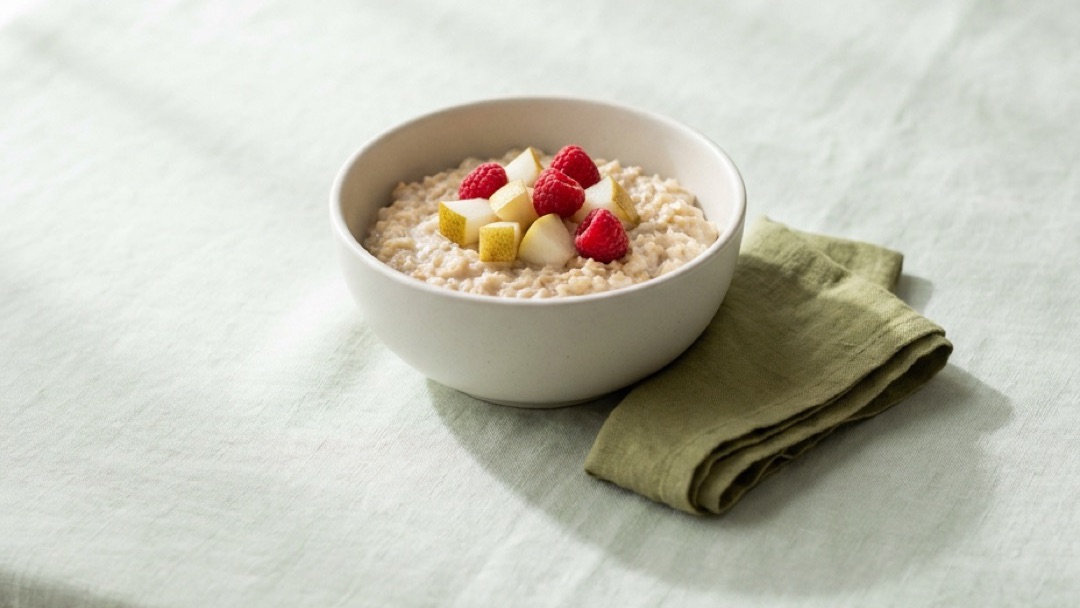
- Whole grains, like oatmeal, whole wheat bread and pasta, and bran flake cereals.
- Beans and lentils, like black beans, kidney beans and chickpeas.
- Fruits, like berries, pears, oranges, and apples with the skin on.
- Vegetables, like carrots, broccoli, green peas and collard greens.
- Nuts.
“Be sure to add fiber to your diet a little at a time so your body gets used to the change.”
A 2025 joint advisory on nutrition during GLP-1 treatment, from four medical societies, also names fluids and fiber from food for constipation.
If you fill up fast, small portions spread through the day still count. A few spoonfuls of oatmeal with pear at breakfast and some lentils at lunch add up. A dietitian can help plan meals with the right amount of fiber for you.
4.How much should I drink?
NIDDK says to drink plenty of liquids to help the fiber work better. The medication guides add their own reason to keep drinking:
“Diarrhea, nausea, and vomiting may cause a loss of fluids (dehydration) which may cause kidney problems. It is important for you to drink fluids to help reduce your chance of dehydration.”
Neither source gives one number for everyone. If your doctor has given you a fluid limit, ask them what's right for you.
5.What about laxatives or stool softeners?
Ask your pharmacist or doctor first. The Wegovy Medication Guide says to tell your healthcare provider about all the medicines you take, including over-the-counter medicines, vitamins and herbal supplements, and that Wegovy slows stomach emptying and can affect medicines that need to pass through the stomach quickly. If you're avoiding alcohol, it's also worth knowing that some laxatives contain it (NIAAA). Your pharmacist can check the one you're looking at.
6.When is constipation serious?
- Rare but serious problems have been reported. Since these medicines came to market, the Zepbound, Wegovy and Ozempic labels list reports of ileus (the gut stops moving things along), intestinal obstruction (a blockage), and severe constipation including fecal impaction (section 6.2).
- Severe pain in your stomach area that won't go away, with or without nausea or vomiting. The medication guides say to stop using the medicine and call your healthcare provider right away.
- Stomach problems that are severe or won't go away. The Wegovy and Zepbound medication guides say to tell your healthcare provider.
How Checkin helps with side effects
Checkin is a free AI companion for GLP-1s that you text. For this part of life on a GLP-1, it does three things:
- Text how you feel, any time
Plain answers from the FDA label, with a picture when it helps.
- It checks in two days after your shot
When many side effects show up, so you're not sorting it out alone.
- Warning signs get a straight answer
If something sounds serious, it tells you to call your doctor or 911 right away.